

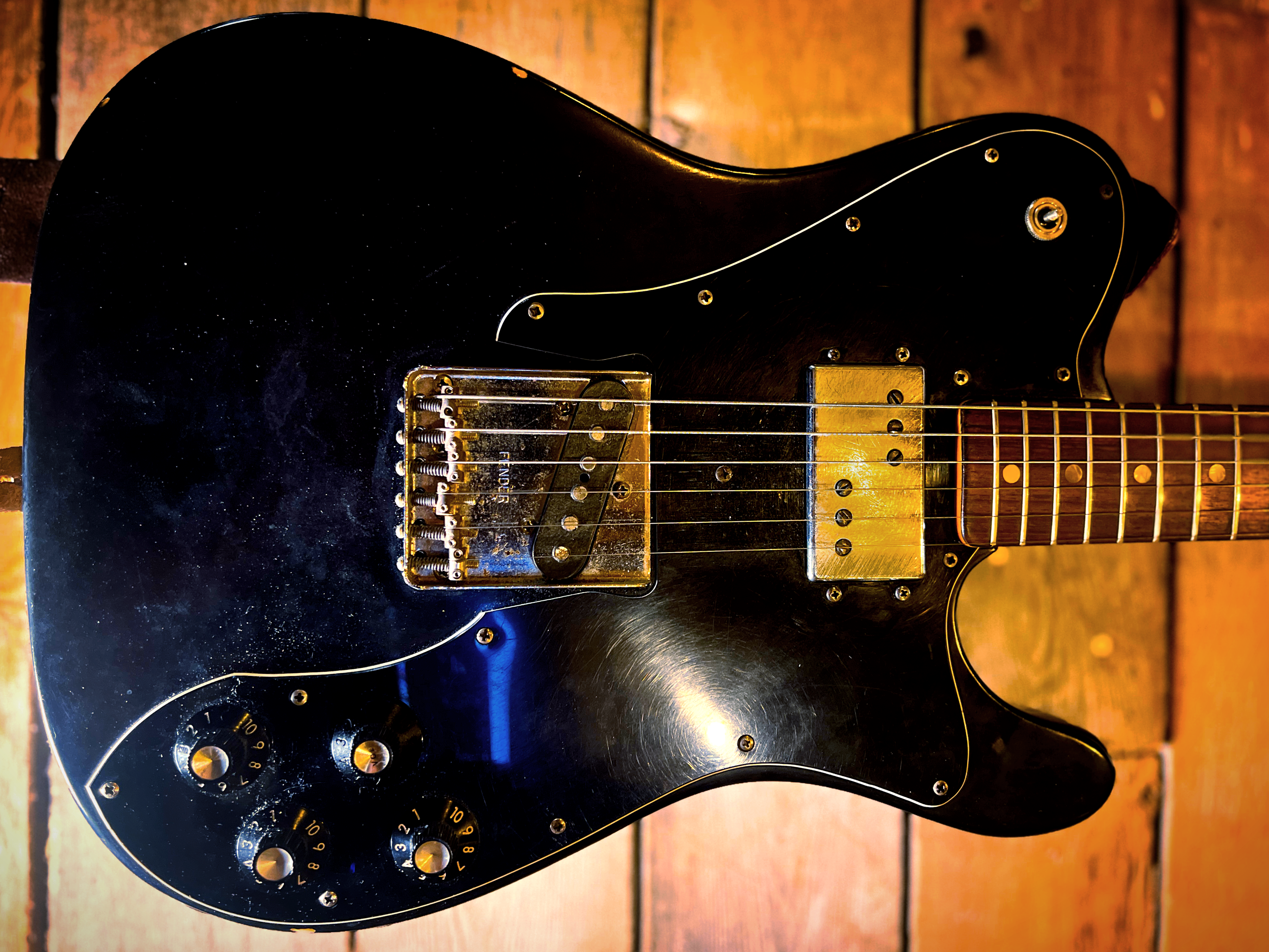
The Allure of Mix-and-Matching Pickups
Hey Gearheads and Tone Chasers! Ever looked at your guitar and wondered if you could squeeze even more sonic goodness out of it? One of the most exciting and often overlooked avenues for tone sculpting is the world of mixed-and-matched guitar pickups. Why settle for a factory-paired set when you can combine different voicings, outputs, and magnet types to create something truly unique and tailored to your sound?
The Allure of the Mix-and-Match
Think about it:
-
Bridge Humbucker + Neck Single-Coil or Vice versa: Want the power and punch of a humbucker for ripping solos, but still crave that glassy chime and clarity of a single-coil for rhythm work? This classic pairing is a total tone staple!
-
Magnet Mixology (Alnico Magic): Ever dabbled with Alnico II, V, or VIII? Each one brings a distinct sonic flavor to the party. Try mixing a warm, smooth Alnico II in the neck with a sharp, biting Alnico V in the bridge for a whole new sound palette.
-
The Power Couple (High vs. Low): Load up a high-output ceramic pickup in the bridge for aggressive, face-melting riffage, and then pair it with a sweet, vintage-spec, low-output humbucker in the neck for those smoother, more soulful leads.
-
P90s Meet Humbuckers: Why choose? Get the fat, articulate growl of a P90 mashed up with the thick, hum-canceling beef of a humbucker. It's a glorious sonic fusion!
The possibilities are totally endless—your imagination is the only speed bump!

Jack White Triplecaster Telecaster https://www.fender.com/products/jack-white-triplecaster-telecaster
But before you grab that soldering iron and jump in, there’s one vital rule you need to know: phasing. Skip this step and your dream tone could suddenly become a thin, honky, and totally disappointing squeak.
What is Phase, Anyway? (The Fun Version)
Phase can be a bit of a brain-bender to explain to non-techs but think of it like two guitarists jamming on the exact same riff.

When they’re "in phase," they are perfectly in sync, hitting every note at the same millisecond to create a massive, wall-of-sound experience that feels like one giant guitar.


But the second they go "out of phase," it’s like two players strumming in total opposition—one hitting a downstroke while the other pulls up—and they end up canceling each other out!


In this scenario, imagine only the outer strings ringing through while the middle ones vanish into thin air. In your guitar, this leaves you with that famously hollow, funky, and totally thin "quack" that can really throw your tone for a loop.

Just to clear things up and bring this analogy home: you aren’t actually losing those physical strings! Imagine each string as a specific frequency range—whenever the neck and bridge share the same sonic space, those frequencies end up canceling each other out. The secret sauce? The more EQ-sync those two pickups are, the more powerful your "out of phase" sound will ultimately be!
So why Does Phasing Matter so much in Mix-and-Match Scenarios?
Different pickup brands have their own way of doing things. This means a bridge pickup from Brand A (like a Seymour Duncan) might play nice with its own siblings, but could be wired in reverse compared to a neck pickup from Brand B (like a Lollar who uses a similar color code). Simply put: the direction the wire is wound and the direction of the magnet determines that crucial phase!
Solving the Phasing Puzzle: The Magic of Pickup Leads
A quick heads-up: some vintage-style pickups (especially those old braided wire types) are set in their ways. Don't use them.
 To maximize your tonal experiments, always prioritize pickups that offer maximum wiring control. Look for a 2-conductor setup (2 wires plus a bare wire) on single coils—meaning access to both the start and finish wires—and 4 conductors for Humbuckers.

The Awesome news?
Sorting this out is usually a total breeze, even if it means a quick date with your soldering iron. The most foolproof fix is simply reversing the flow on one of your pickups—which is exactly why having total control over those wires is so crucial!

So how do you know if the pickups are in the right phase?
Let's be real: figuring this out can be a bit of a headache because most brands don't share their secrets or post detailed specs online. But don't worry! Here are two foolproof ways to check if your pickups are playing nice and staying in the correct phase with one another:
-
Option 1: The Quick-Start Method (Beginner Style)
-
Test It Out: Wire 'em up and give that combined middle position a good listen.
-
Flip the Wires: If it sounds thin, just reverse the hot and ground wires on one pickup like the example above. If the white was on the switch and black was grounded stock, swap only the bridge pickup so black is on the switch and white is grounded.
-
-
Option 2: The Pro-Tech Method (Technician Style)
-
Multimeter Magic: Connect your leads to the pickup. While watching the reading, move a metal object toward the magnet in a quick tapping motion (without touching it!). Check if the numbers jump up or down to see the phase direction.
-
Match the Flow: If one goes up and the other goes down, they aren't matching. Reverse the hot and ground wires on one of them.
-
Final Check: Re-test to make sure both pickups jump in the same direction, then finish your install!
Hold Up... Is "Out of Phase" Actually a Tonal Disaster?
We don’t want you thinking "out of phase" is always a mistake! You can actually get some incredibly cool textures by doing this on purpose. With a 2-volume setup, you can even dial in the perfect amount of that hollow honk. It sounds absolutely killer with distortion, fuzz, and delay! Many call it the "Peter Green tone" because his legendary guitar had an out-of-phase pickup by accident—But beyond him, it’s a fantastic circuit trick for ultimate versatility.

Peter Green playing 'Greeny' in his Fleetwood Mac days (Image credit: Jan Persson/Redferns)
The Final Word
 Eric Merrow YouTube
Over the years, we’ve been right in the thick of some truly legendary builds! We’ve seen tone seekers push the boundaries with wild setups like dropping a TV Jones Powertron in the neck and a Gold Foil in the bridge of a Tele, or rocking a triple P90 punch in a Strat. We even had the honor of crafting a custom loaded pickguard for the one and only guitar historian, Trogly!
Go Forth and Sculpt!
Mixing and matching is the ultimate way to unlock those hidden tonal secrets and find a sound that’s uniquely yours! Now that you know how phasing works, you’re ready to navigate the world of custom setups like a pro. So grab that soldering iron and start sculpting the tone of your dreams!
Read more
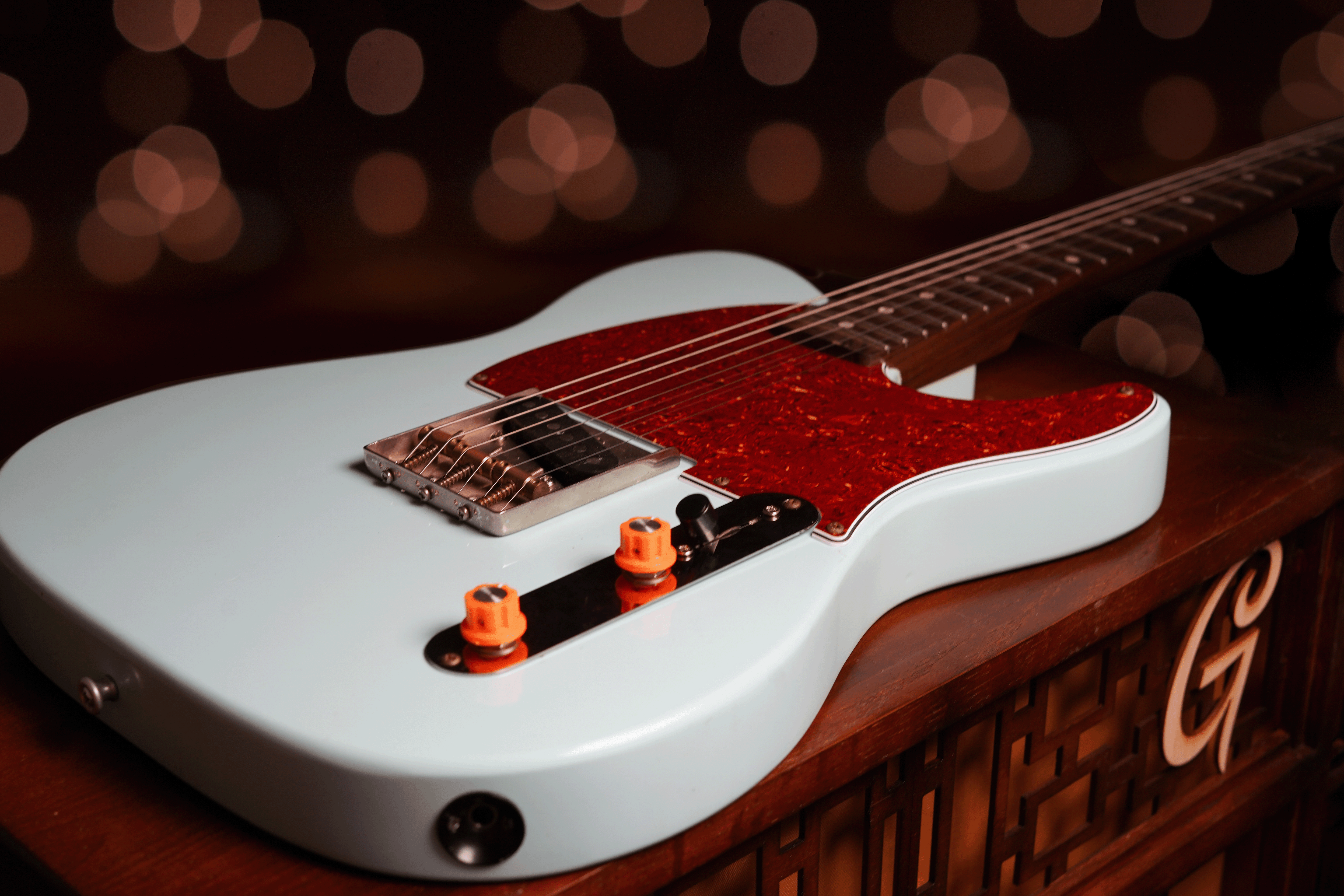
The Esquire Build: The Grandfather of the Telecaster
With the official launch of our latest batch of hand-wired and solderless kits—which you can find at the links above—we were feeling inspired to tackle a brand-new project... well, technically a t...
Read more
Why Using Resistors to Tame Your Tone Is a Bad Idea If you're an avid modder, there's a good chance you've stumbled upon that classic "old wisdom" echoing through dusty gear forums or dated social ...
Read more
2 comments
Hi John-Paul
1.That’s always dealer’s choice, and honestly, it’s probably a per-guitar thing! Personally, I’m a huge fan of HSS setups on Strats and absolutely love using the blender pot. Mixing that humbucker power with single-coil chime can create some super cool tonal textures with distortion!
2.Again, this is always subjective. In my opinion, it’s a bit of a disservice leaning into those dated ideals that certain pickups need specific pot values. (Check out our FAQ to learn more about that) On my personal rigs, I tend to rock 500k pots for both pickups—to my ears, it’s just a better balance for their natural strengths. But if you’re sensitive to high-end complexity, our internal player feedback suggests a 500k volume and 250k tone is a fantastic middle ground. We’ve just found that the old-school route—250k for single coils and 500k for humbuckers—usually just sounds a bit flat overall. Remember: when it comes to “good” sound, it’s always subjective, not objective!
3.Not quite sure what you mean here, but the leads just need to reach your controls! Most big brands offer generous leads, but we’ve seen some boutique builders give you just enough for a specific model. For instance, if you grab a Telecaster set, the neck and bridge leads might be tailored perfectly for a Tele control plate—but if you try to drop them into a different body style, they might not reach the switch!
Sean @Gunstreet
1.When mixing a humbucker with a single coil do you recommend a toggle switch or a blend knob? 2. When mixing a humbucker with a single coil do you use the same or different value potentiometers and caps? 3. Do the lead wires need to be the same length on both pickups? A very informative article ! Thank you
John-Paul Soltis
Leave a comment
This site is protected by hCaptcha and the hCaptcha Privacy Policy and Terms of Service apply.