
Tech Talk Ep.1 -The "Jimmy Page" Wiring Explained - Updated 2026 edition
Where It All Began: The Origins

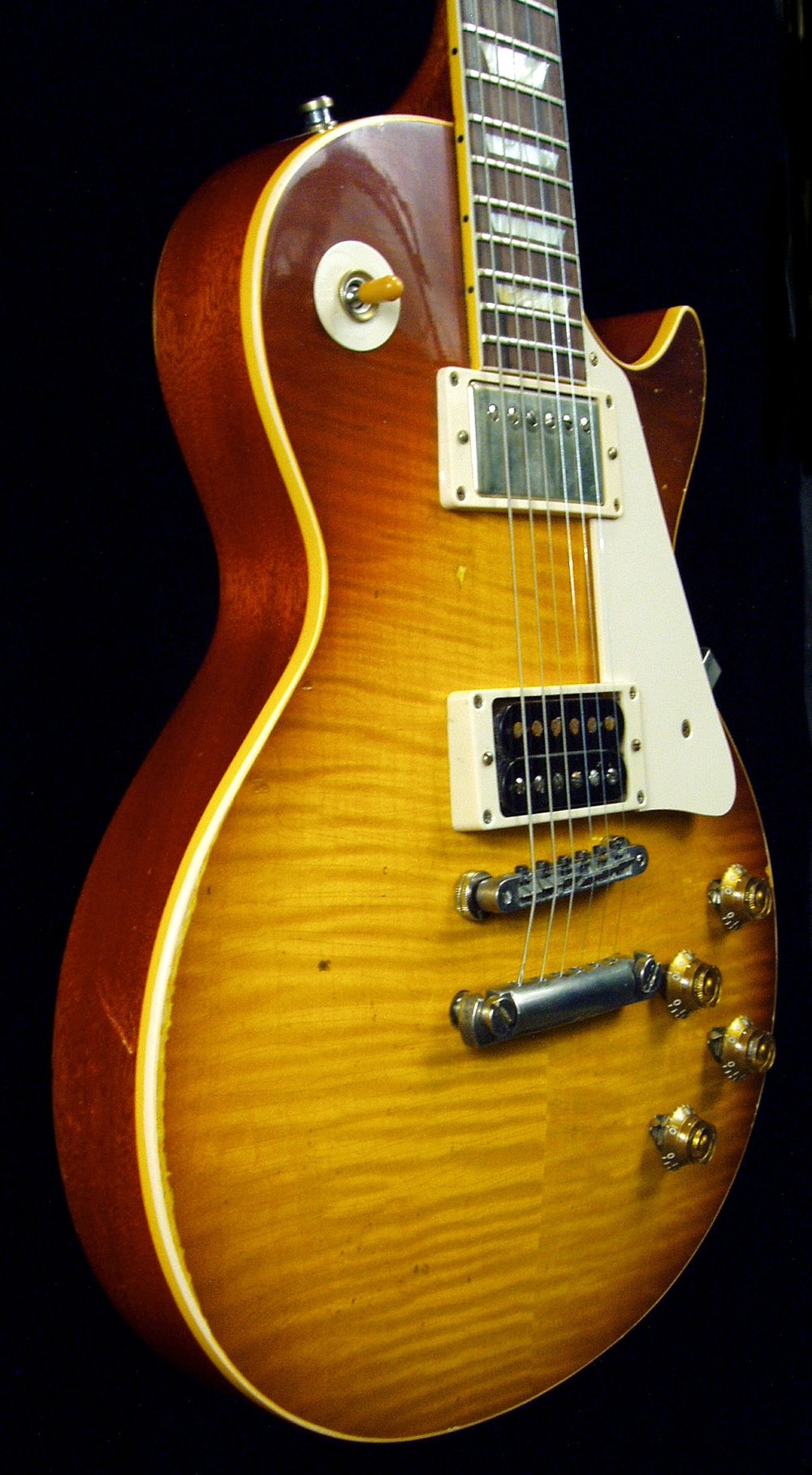
Spend just five minutes scrolling through guitar mod forums and you’ll stumble onto this legend. Rewind to the early 2000s: Jimmy Page was on a mission to transform that legendary '59 Les Paul—the one he scored from Joe Walsh back in '69—into the ultimate sonic Swiss Army knife. The challenge? He refused to carve into the wood or mess with the soul of his "Number One." To pull it off, he joined forces with an electronics mastermind to engineer a labyrinth of coil splitting, series/parallel options, and phase flipping. By hiding this revolutionary tech inside four push/pull pots, they birthed the circuit we now revere as "Jimmy Page Wiring."
So, Why Is Everyone Obsessed With This Harness?
In short, it’s like having a sonic chameleon at your fingertips, allowing you to emulate virtually any legendary rig. Think of it like a blurry photo of a guitar that gets sharper and more focused every time you tweak a knob. Sound familiar?

Furthermore, the internal circuit architecture is crafted with such a level of sophistication that even a seasoned bench technician would view it as a total masterclass in wiring elegance. It’s hard to ignore the reality that this configuration has achieved a legendary status all its own; it’s basically become a household name in the guitar world, even for players who wouldn’t recognize a Zeppelin riff if it hit them. Of course, your mileage may vary on that last point..
How it works

(1&2) Bridge & Neck Volume switches: Single coil switching
Wait, what does that actually do?

Essentially, both volume controls house a hidden circuit designed to bypass one coil of your humbucker, effectively morphing it into a legitimate single-coil. Simple enough, right? But the real masterstroke lies in the configuration: the designer engineered it so the Bridge engages one specific coil—think the slug side(differs by pickup brand)—while the Neck taps into the opposite screw coil. I might be venturing into total gear-nerd territory here, but that specific pairing ensures that when you're in the middle position with both split, they still function as a hum-canceling duo. Absolute genius! Now, let’s be honest—a split humbucker won't perfectly replicate a '54 Strat, but it’s a killer texture to have in your tonal toolkit.
Want to dive deeper into the science of cutting, splitting and tapping? Check this out!
Hold up... there’s MORE to the volumes?

While it might feel bordering on "heresy" for a Gibson purist, the authentic schematic utilizes independent volumes—borrowing a page from the Rickenbacker or vintage Fender bass playbook. This configuration allows you to kill one volume entirely while the other continues to sing. The trade-off? This specific architecture acts like a massive antenna for interference. If your signal chain is a bit rowdy, you might encounter a "ghost" bleed from the inactive pickup. It’s a notoriously tricky gremlin to troubleshoot; I’ve watched many players assume their electronics were fried when the culprit was actually just a cranky old amp! Ultimately, we opted to omit this feature from our flagship version simply because we grew weary of explaining that the issue was your home’s electrical ground, not the harness itself. - Want to learn about how Volumes actually work? Click here
3. Bridge Tone Switch: The Phase Flip
Activating this control essentially reverses the bridge pickup's signal flow. Once engaged alongside the neck position, the pickups engage in a sonic tug-of-war, sculpting that legendary, edgy "out of phase" texture that players crave.

Wait, how does that work?Phase is tricky to explain, but I like to imagine two guitarists playing the same thing.
When they are "in phase," they are perfectly in sync. They hit every note at the same time, making the sound massive and full.


Flip that switch and everything changes. When your pickups are "out of phase," imagine one guitarist strumming a downstroke while the other pulls an upstroke—they are effectively fighting for the same space. This sonic tug-of-war causes shared frequencies to cancel each other out, leaving you with that iconic hollow, nasal, and wonderfully funky texture. Here is the real pro move: your volume controls become your best friends for sculpting this effect. By backing off one volume just a hair, you break the total cancellation and unlock a universe of "sweet spots." It"s a tonal spectrum that travels from a bright, jangly sparkle to absolute "I’ll be damned" territory.

4.Neck Tone: Parallel vs. Series
Before we start.
let’s strip away the jargon and get real about the mechanics happening beneath the surface. When this guide first hit the web nearly ten years ago, this very segment triggered a literal deluge of emails from gear-heads needing a translation. To make this concept truly stick, I want you to imagine two separate riders—not the bicycles themselves—hanging out together to represent your pickups.

In the world of "Parallel" wiring, your pickups function as distinct, side-by-side units. Visualize those two riders we mentioned earlier, each cruising along on their own individual bikes. While they might be traveling the same path and sharing a conversation, they remain completely autonomous beings. This is the standard operational mode for most guitars: two pickups coexisting in the circuit while maintaining their own unique, separate sonic identities.

Switch over to "Series" wiring, however, and the architecture shifts: one pickup is essentially tethered to the tail end of its partner. Returning to our rider analogy, imagine those two separate cyclists ditching their individual frames to mount a single, massive tandem bike. By pooling their collective strength to drive the pedals, their total output effectively doubles. In the pickup world, this translates to more raw power, heightened sensitivity, and an aggressive punch—it’s just more of everything!
How it works in the Jimmy Page Harness
Under the "Parallel" architecture, your Neck and Bridge pickups remain autonomous, delivering that classic, independent voice found in any factory-spec Les Paul. However, once you click that switch "Up," the entire circuit rewires itself, tethering the units together to form a single, colossal four-coil "Mega-Neck Humbucker." Because the bridge signal is rerouted through the neck’s control path, you effectively pool their collective power. If you’re pairing a 7k Neck with a 10k Bridge, you aren’t just playing a guitar anymore—you’re rocking a massive 17k tonal monster.

My favorite way to use this kit.
My go-to "pro move" involves leveraging the Series and Phase toggles as a makeshift "passive boost." Now, before the inevitable internet grump rushes to the comments to lecture us on how a passive circuit can’t technically "boost" anything—spare me the "sure bro" lecture. We’re using the term as a bit of tonal shorthand. In reality, engaging that Series switch solo acts like a massive "bass boost" for your signal. Throw the Phase switch into the mix, and it morphs into a focused "mid boost" texture. Finally, dropping the Series out while keeping the Phase engaged unlocks a brilliant "high-end sparkle boost." It’s basically a hidden, full-range EQ toolkit living right inside your guitar.
The Verdict
Packing more than 21 distinct tonal flavors—including a brilliant "happy accident" kill-switch effect when you engage the Series mode and flick the toggle switch to the bridge—this harness is a total playground for your ears. (And trust me, that kill-switch is killer for strobing.) If you’re on a mission to truly personalize your rig and unearth those "I’ll be damned" sounds hidden deep inside your Les Paul, this is the definitive path. Ready to drop this sonic chameleon into your guitar? Check out our plug-and-play Jimmy Page harnesses in our shop and get to tweaking!
Leave a comment
This site is protected by hCaptcha and the hCaptcha Privacy Policy and Terms of Service apply.